
The kitchen
Steamed, boiled or grilled: finding your blue-crab ritual
Three approaches, three very different tables. Here’s how to choose your next crab feast without letting a timer do all the thinking.
Start with the table you want
A crab meal is as much a gathering as a cooking project. Before choosing a method, think about the occasion: a slow afternoon of picking, a mixed seafood boil, or a smaller dinner with a smoky finish. None of those meals needs to win an argument about the one correct way to cook crab.
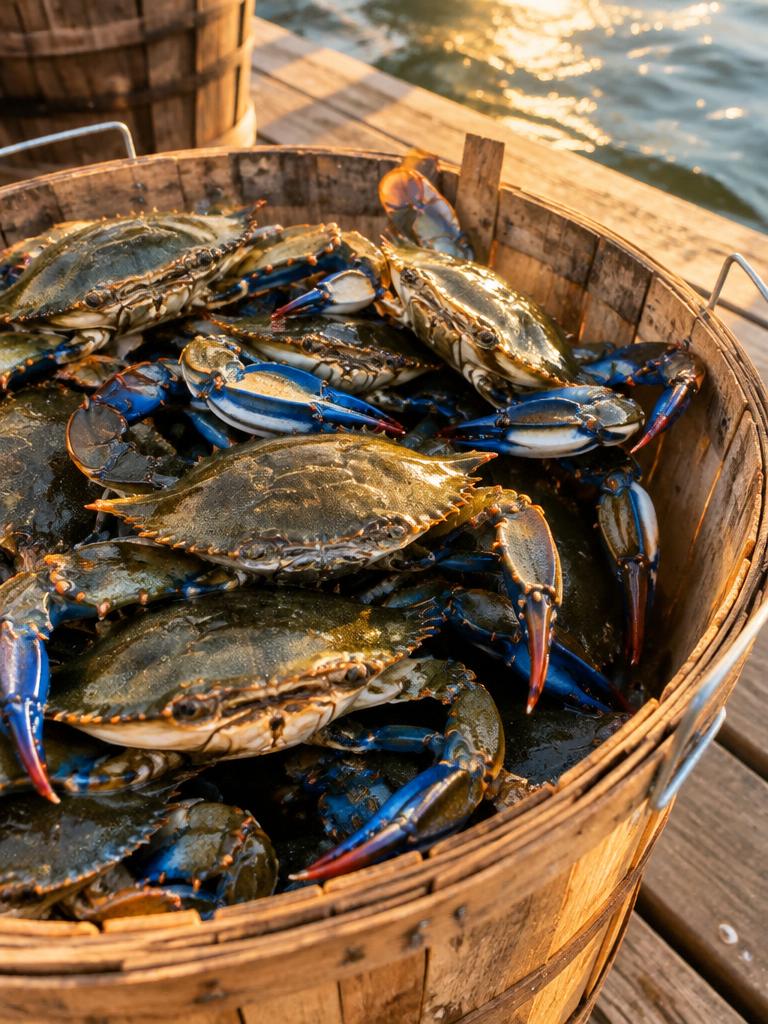
Buy from a reputable source and ask how the crabs have been held. Live crabs should show movement; the FDA notes that crabs and lobsters spoil rapidly after death. Keep the seller’s handling instructions with the order and plan the meal before the seafood arrives.
Steam for a dedicated crab feast
Steaming keeps the crabs above the cooking liquid rather than submerged in it. A rack and a covered pot let steam circulate while seasoning stays on the shell. That makes it a natural choice when crab is the main event and everyone is ready to pick at the table.
Use equipment large enough for the batch, follow a reliable recipe for your crab size, and handle the hot pot carefully. A shell turning red is not, by itself, a reliable doneness test. The FDA describes cooked crab flesh as pearly and opaque.
Boil for a shared pot; grill for a different finish
Boiling puts the crab directly in seasoned cooking liquid. It suits a meal built around a pot of seafood and accompaniments, but ingredients do not all cook at the same speed. A tested recipe should guide the order in which they go in, rather than one timer for everything.
Grilling brings a different flavor and a smaller-batch rhythm. Use a tested crab recipe that explains preparation and doneness; do not assume that charred shells mean the meat is ready. Raw seafood juices should never touch cooked crab or ready-to-eat sides.
Let the meal end safely
Serve with clean tools, lemon, and the sides you enjoy. Refrigerate leftovers promptly: the FDA advises not leaving seafood out for more than two hours, or one hour when temperatures are above 90°F. If you harvest your own crabs, check local harvest rules and consumption advisories first.
Our vote goes to a table with good company and well-handled seafood. Your method is yours to choose—add your choice to the community poll at the top of CRABAZINE.